Travel Car Seat Safety: 10 Tips for Traveling With Kids
Car seats can be one of the most inconvenient pieces of gear to bring on a family vacation, but they are also one of the most important. Whether you are driving your own car, renting a vehicle, taking a taxi, or flying to your destination, your child's restraint still needs to fit your child and be used correctly.
This article originally began as a short guest post about car seat safety while traveling. We have expanded and updated it because recommendations, products and laws change, and some of the older information was no longer the best guidance for families planning a trip today.
If you are still deciding which seat to bring, start with our guide to the best portable car seats for travel. We also have more specific guides to toddler travel car seats and the best travel car seats for 2 year olds.
1. Choose the Right Car Seat for Your Child's Current Size
One of the easiest mistakes to make while traveling is choosing a restraint because it is small and convenient rather than because it is appropriate for your child.
Follow the height, weight and usage limits on the actual car seat you own. Children grow at different rates, which is why age alone does not tell you when it is time to move from one type of restraint to another.
Current NHTSA guidance recommends keeping children rear-facing for as long as they remain within the rear-facing height or weight limit of their car seat. After they outgrow rear-facing, they should move to a forward-facing seat with a harness and tether and remain in that stage until they reach that seat's limits.
Only after outgrowing the forward-facing harness should a child move to a belt-positioning booster. A booster should continue to be used until the vehicle seat belt fits properly without one.
2. Practice Installing the Travel Car Seat Before Your Trip
A rental-car parking garage after a long flight is not the place you want to learn how to install an unfamiliar car seat.
Before leaving home, install the travel seat several times. Read both the car-seat instruction manual and the section of your vehicle manual dealing with child restraints.
If you are using the vehicle seat belt, learn how the seat belt locks. If you are using lower anchors, learn where the attachments are located and check the car-seat instructions for any applicable limits.
NHTSA says a properly secured car seat should not move more than one inch from side to side or front to back when tested at the belt path.
For a forward-facing car seat, use the top tether according to the manufacturer's directions. The tether is an important part of the installation because it limits forward movement of the child's head and the restraint during a crash.
3. Have a Certified Technician Check Your Installation
If you are unsure whether you are installing your seat correctly, get help before your trip.
NHTSA maintains a database of car-seat inspection stations where certified Child Passenger Safety Technicians can check the restraint and teach you how to install and use it correctly. These inspections are free in most cases, and some locations now offer virtual appointments.
You can find an inspection location through the NHTSA car seat and booster seat safety page.
Some fire and police departments have certified technicians, but do not assume that every station does. Find an actual inspection location or certified technician before making a special trip.
4. Keep Children Properly Restrained in the Back Seat
The back seat is the safest place for children. Current child-passenger guidance recommends keeping children properly buckled in the back seat through age 12.
Never install a rear-facing car seat in front of an active passenger air bag. A deploying front air bag can seriously injure or kill a young child in a rear-facing restraint.
When a suitable center rear seating position is available and the car seat can be installed there correctly, it may provide additional protection because it is farther from many potential points of impact. However, a correct installation is more important than forcing a seat into a center position where it cannot be installed properly.
5. Use a Car Seat in Rental Cars, Taxis and Rideshares
Travel often puts children in unfamiliar vehicles, but that does not change the physics of a crash. We prefer to use an appropriate child restraint whenever our kids are riding in a vehicle, even when local laws may provide exceptions for certain taxis or other for-hire vehicles.
Car-seat laws vary by state and country, and taxi and rideshare rules can be different from the rules for private vehicles. Check the laws for the destination you are actually visiting rather than relying on a general chart or an old blog post.
Also remember that the minimum legal requirement is not necessarily the same thing as the safest option for your child.
If you will be using several taxis, rideshares or rental cars, portability becomes especially valuable. Our portable car seat guide compares the options we have used at different ages.
6. Be Careful When Renting a Car Seat
Renting a car seat can eliminate one large item from your luggage, and there are trips when that convenience is appealing. We have rented car seats ourselves.
However, our experiences are also why I generally prefer bringing our own when we know we will need a seat regularly. With our own restraint, I know its history, know that it fits my child and have already practiced installing it.
With a rental seat, you may not know exactly which model will be available until you arrive. Before driving away, check that the restraint is appropriate for your child's size, has all necessary parts, is not visibly damaged, and includes the information you need to install it correctly.
If you are renting baby equipment from a specialty company, specify exactly what type of restraint you need rather than simply requesting "a car seat."
7. Do Not Rush the Installation Because You Are Traveling
This is probably the most practical travel-specific safety tip. Vacations put families in a hurry.
You may have just gotten off a delayed flight. Your toddler may be exhausted. Everyone may be hungry. The rental-car garage may be hot. It is tempting to tell yourself that the seat is "good enough" because you just want to leave.
Take the extra few minutes.
Check the belt path. Tighten the restraint. Confirm the correct rear-facing recline if applicable. For a forward-facing seat, connect the tether. Then buckle your child correctly with the harness flat and snug.
If something does not look right, stop and check the manual rather than improvising.
8. Make Sure the Harness Fits Correctly
A correctly installed seat still will not work as intended if the child is not buckled into it properly.
For a rear-facing child, harness straps generally need to come through the appropriate slots at or below the shoulders. For a forward-facing child, they generally come through the appropriate slots at or above the shoulders. Follow the instructions for your particular restraint.
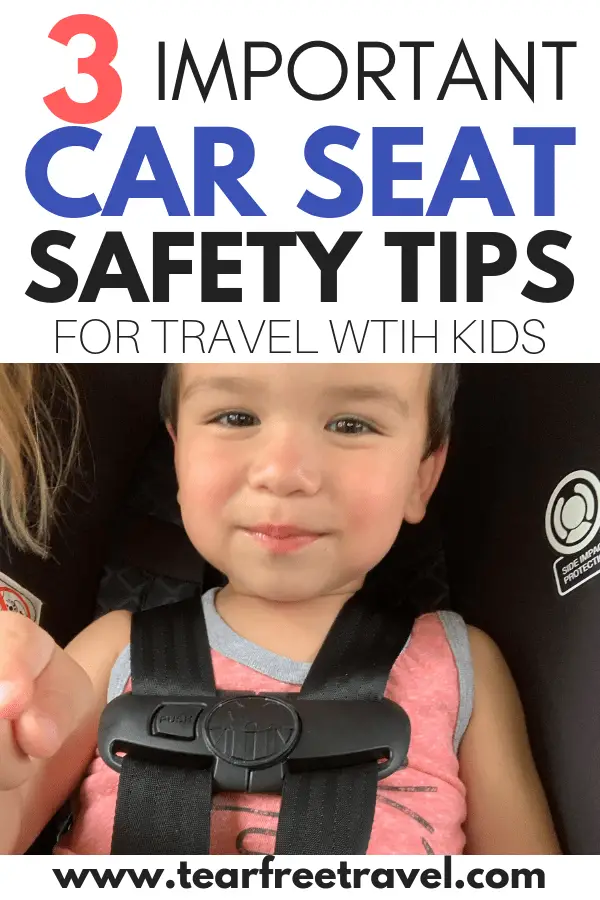
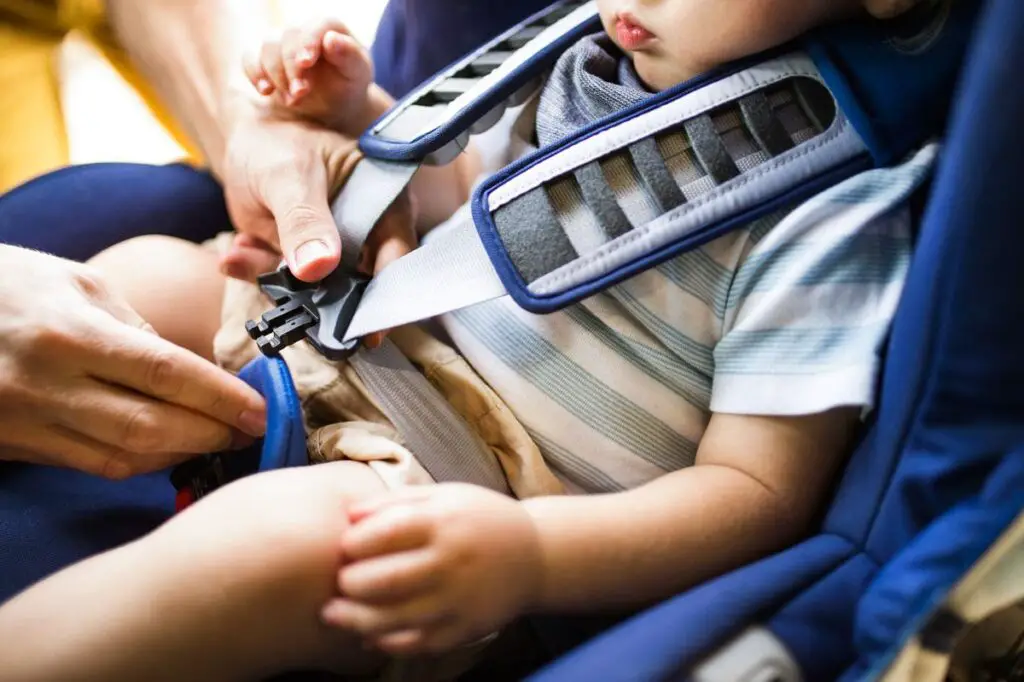
The harness should lie flat without twists and should be snug enough that you cannot pinch excess harness material at the child's shoulder. Position the chest clip according to the restraint instructions, generally around armpit level.
Avoid bulky coats underneath the harness because thick clothing can keep the restraint from fitting snugly. Secure the child first and place a coat or blanket over the harness if warmth is needed.
9. Use Extra Padding and Accessories Carefully
Travel creates plenty of opportunities to buy accessories promising to make a car seat more comfortable. Be cautious about putting aftermarket cushions, head supports, harness covers or other products underneath or behind your child.
Use accessories only when the car-seat manufacturer approves them for use with that particular restraint. Adding unapproved padding can change how the harness fits and how the restraint performs.
This is also why we removed an older head-support recommendation from some of our original travel-car-seat articles when we updated them.
10. Know the Rules if You Use a Car Seat on an Airplane
A car seat can also be extremely useful on a flight. We found that our toddler was much more willing to stay seated on an airplane when he was buckled into the familiar car seat he already associated with sitting and sleeping.
The FAA strongly recommends using an approved child restraint system for young children during flights, including children under age two. Although children under two may still be permitted to fly as lap children in the United States, the FAA recommends purchasing a seat and securing the child in an approved restraint instead.
Before taking your car seat onto the airplane, check the actual label on the restraint. For a U.S. car seat, look for wording showing that it is certified for use in motor vehicles and aircraft.
Booster seats cannot be used during taxi, takeoff and landing because airplane seats have lap belts rather than the lap-and-shoulder belts boosters require.
For much more about using a car seat during a flight, airport logistics, snacks, sleep and keeping toddlers occupied, see our Flying With a Toddler: Everything You Need to Know guide.
We also have a separate list of airplane activities for toddlers for keeping kids busy while they are buckled into their seats.
What if You Need a Lightweight Car Seat for Travel?
Some of the safest everyday car seats are also large and heavy, which can make them difficult to carry through an airport. That is one reason we eventually purchased lighter seats specifically for travel.
The key is to find a seat that is appropriate for the child first, and then compare weight and portability among those suitable options.
We have used and considered several lightweight seats over the years, including models such as the Safety 1st Guide 65 Convertible Car Seat and the Cosco Scenera NEXT. Product lines and specifications change, so check the current manufacturer information before purchasing rather than relying on the specifications from an older version of this article.
For our current recommendations and a breakdown by age, see:
- Best Portable Car Seats for Travel
- Best Toddler Travel Car Seats
- Best Travel Car Seat for a 2 Year Old
What if You Check a Car Seat on a Flight?
If you check or gate-check a car seat, inspect it when you get it back. Look for obvious cracks, missing parts or other damage before using it in a vehicle.
If you believe a restraint may have been damaged, consult the manufacturer rather than guessing whether it is still safe to use.
A padded travel bag can make a seat easier to carry and keep dirt off the fabric, but a bag cannot guarantee protection from damage during baggage handling.
Car Seat Safety Laws While Traveling
One section of the old version of this article listed specific car-seat laws for New York and Ohio. I have intentionally removed those examples because laws change and a static travel article can become outdated quickly.
If your trip crosses state lines, check the current child-passenger laws for each place where you will actually be driving. If you are traveling internationally, check the destination country's laws and whether your U.S. restraint is permitted or practical to use there.
Regardless of the minimum law, our approach is to follow current child-passenger safety recommendations and use the restraint appropriate for our child's size and stage whenever they ride in a vehicle.
Quick Travel Car Seat Safety Checklist
- Choose a restraint that fits your child's current height, weight and developmental stage.
- Keep young children rear-facing until they reach their seat's rear-facing limit.
- Practice installing the travel seat before leaving home.
- Read both the car-seat manual and vehicle owner's manual.
- Install the car seat in the back seat.
- Use the top tether with a forward-facing car seat as directed.
- Make sure the seat moves no more than one inch at the belt path.
- Keep the harness flat, untwisted and snug.
- Avoid unapproved aftermarket padding or positioning accessories.
- Use an appropriate restraint in rental cars, taxis and rideshares.
- Check the actual seat for aircraft certification before using it on a plane.
- Have a certified Child Passenger Safety Technician check your installation if you are unsure.
More Car Seat and Toddler Travel Help
These articles cover the parts of family travel that go beyond installation and safety:
- Best Portable Car Seats for Travel
- Best Toddler Travel Car Seats
- Best Travel Car Seat for a 2 Year Old
- Flying With a Toddler: Everything You Need to Know
- Airplane Activities for Toddlers
Final Thoughts on Travel Car Seat Safety
Travel days are hectic, and a car seat can feel like one more bulky piece of equipment to manage. But this is one area where convenience should come after safety.
The best travel restraint is one that is appropriate for your child, that you know how to install correctly, and that you will actually use consistently throughout the trip. A little practice before leaving home can make rental cars, taxis, road trips and flights considerably easier once you arrive.
If you are unsure about your installation, a certified Child Passenger Safety Technician can help you learn how to use your particular seat correctly.
Pin for Later!